Afci Won’t Reset [Meaning, Reasons and Solutions]
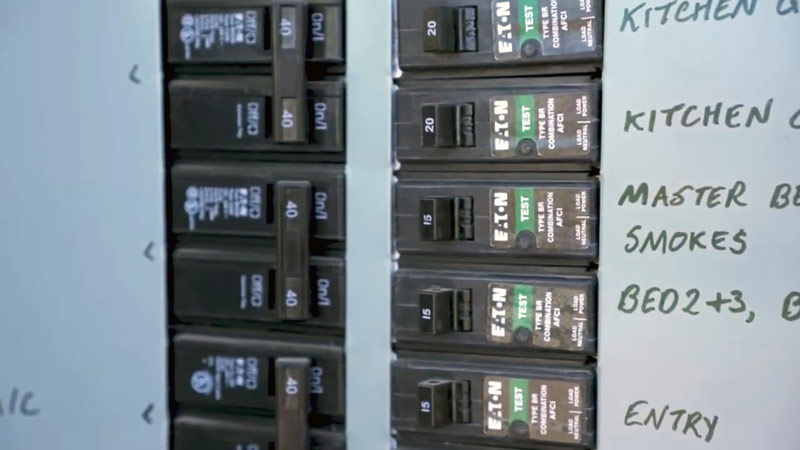
An AFCI (arc-fault circuit interrupter) is a type of circuit breaker that is designed to protect against electrical fires. It does this by continuously monitoring the current flowing through the circuit and using sensors to detect any changes or abnormalities in the current that may indicate an arc fault.
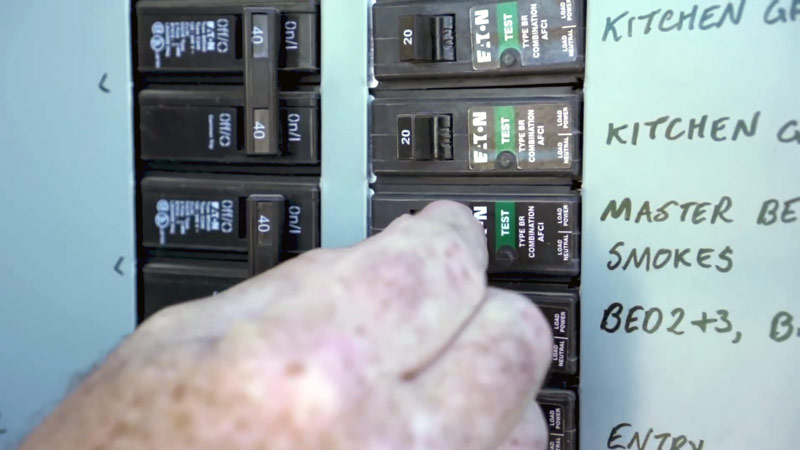
If an arc fault is detected, the AFCI will trip, or shut off the flow of electricity in the circuit, to prevent a fire from starting. AFCI is commonly used in bedroom, kitchen, and laundry circuits, and is required by the National Electrical Code (NEC) in certain residential and commercial buildings.
You'll Learn About
What is Afci and How Does It Work?
An AFCI (arc-fault circuit interrupter) is a type of circuit breaker that is designed to protect against electrical fires. It does this by detecting potentially dangerous arcing conditions in an electrical circuit and interrupting the flow of electricity to prevent a fire from starting.
How AFCI works
An AFCI works by continuously monitoring the current flowing through the circuit. It uses sensors to detect any changes or abnormalities in the current, such as a sudden increase or decrease in current flow or a disturbance in the waveform of the current. If an arc fault is detected, the AFCI will trip, or shut off the flow of electricity in the circuit, to prevent a fire from starting.
Benefits of AFCI
The use of AFCIs in residential and commercial electrical systems provides several benefits. By detecting and interrupting arc faults, AFCIs can help prevent electrical fires, which can cause damage to property and put lives at risk. While the primary function of a standard AFCI is fire prevention, combination AFCI/GFCI devices are available that provide protection against both arc-faults (fire) and ground-faults (shocks and electrocution).
Code requirements for AFCI
In the United States, the National Electrical Code (NEC) requires the use of AFCIs in certain residential and commercial electrical circuits. These requirements vary depending on the type of circuit and the location of the circuit within the building. For example, the NEC requires the use of AFCIs in all bedroom circuits to provide added protection against electrical fires.
Why AFCI is important?
AFCI protection is a critical safety feature in modern electrical systems, used in both residential and commercial buildings.
Prevents electrical fires
The primary reason that AFCI is important is that it helps prevent electrical fires. Electrical fires can be caused by a variety of factors, such as damaged or faulty wiring, overloaded circuits, or improperly installed or used electrical appliances.
By detecting and interrupting arc faults, AFCI can help prevent these fires from starting and spreading, protecting property and lives.
Added protection against electricity
While AFCIs are designed for fire prevention, they are often installed as dual-function breakers that also include GFCI (Ground-Fault Circuit Interrupter) protection. It is the GFCI function that protects against electrical shocks and electrocution.
By interrupting the flow of electricity during a ground fault, a GFCI-equipped device can help prevent serious injuries or fatalities.
National Electrical Code (NEC)
In the United States, the National Electrical Code (NEC) requires the use of AFCI in certain residential and commercial electrical circuits. This means that, in order to comply with the NEC and ensure the safety of the electrical system, AFCI must be installed in these circuits.
Used in bedroom circuits
One of the most common applications of AFCI is in bedroom circuits. The NEC requires the use of AFCI in all bedroom circuits in order to provide added protection against electrical fires.
This is because bedroom circuits are often used to power lamps, clocks, and other electrical appliances that may be left on for extended periods of time, increasing the risk of an electrical fire.
Used in other types of circuits
In addition to bedroom circuits, AFCI is also commonly used in other types of circuits, such as kitchen circuits and laundry circuits. These circuits are often used to power appliances with high electrical loads, such as refrigerators and washing machines, making them more susceptible to arc faults and electrical fires.
By using AFCI in these circuits, property owners can provide added protection against these hazards.
Reasons an AFCI Won't Reset
An AFCI (arc-fault circuit interrupter) is a type of circuit breaker that is designed to protect against electrical fires by detecting potentially dangerous arcing conditions in an electrical circuit and interrupting the flow of electricity. When an AFCI trips (or “flips out”), it means that it has detected an arc fault and has automatically shut off the electrical current in the circuit to prevent a fire.
Trips Repeatedly
In some cases, an AFCI may trip repeatedly without any obvious cause. This can be frustrating and may lead some people to try resetting the AFCI in the hope that it will solve the problem. However, in most cases, resetting an AFCI will not fix the underlying issue and may even be dangerous.
Circuit Fault
An AFCI may not reset if there is a persistent arc fault in the circuit. In this case, the AFCI will continue to trip each time it is reset because it is detecting a dangerous condition in the circuit. In order to fix this problem, the underlying issue causing the arc fault must be identified and resolved. This may involve replacing damaged or faulty electrical wiring, outlets, or appliances, or correcting any other issues that could be causing the arcing.
Damaged or Malfunctioning
Another reason that an AFCI may not reset is if it has been damaged or is otherwise malfunctioning. In this case, the AFCI may be unable to properly detect and interrupt an arc fault, putting the circuit at risk of an electrical fire. In this situation, the AFCI will need to be replaced in order to ensure the circuit is properly protected.
Overall, it is essential to understand that resetting an AFCI will not fix the underlying issue if the circuit is experiencing a persistent arc fault or if the AFCI itself is damaged or malfunctioning. In these cases, it is essential to identify and address the root cause of the problem in order to ensure the safety of the electrical system.
How to Troubleshoot AFCI?
Process of Troubleshooting an AFCI:
Unplug all devices and appliances from the circuit
The first step in troubleshooting an AFCI is to unplug all devices and appliances from the circuit. This will ensure that the circuit is de-energized and safe to work on.
Plug in and turn on one device at a time
Once all devices and appliances have been unplugged from the circuit, plug in and turn on one device at a time. As each device is turned on, carefully observe the AFCI to see if it trips.
Identify the device that trips the AFCI
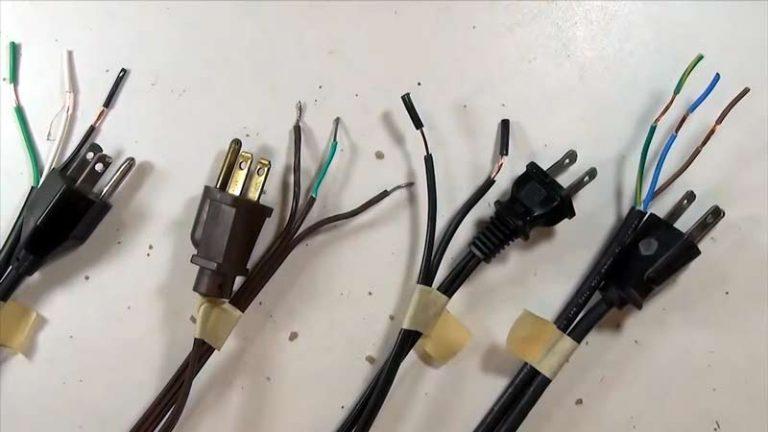
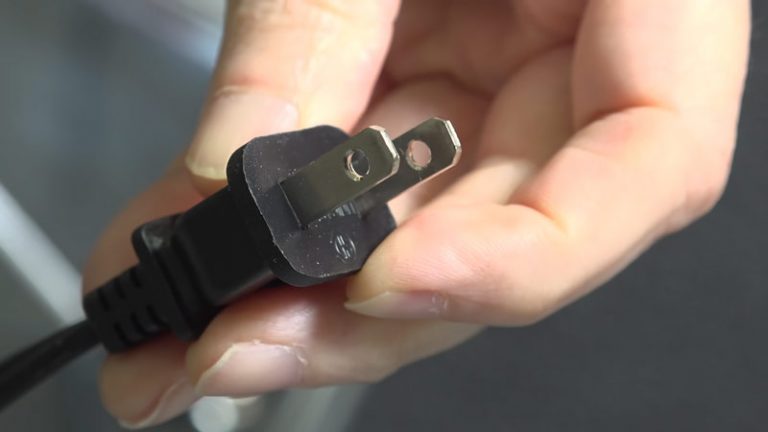
If the AFCI trips while a particular device is turned on, this indicates that the device may be causing the issue. In this case, the device should be inspected for any signs of damage or fault, such as a frayed or broken power cord, or an incompatibility with the AFCI breaker.
Repair or replace the faulty device
If a faulty or damaged device is identified as the cause of the AFCI tripping, it will need to be repaired or replaced in order to fix the issue. In some cases, this may involve replacing the power cord or other components of the device or consulting a repair professional for assistance.
Repeat the process for each device on the circuit
Once the faulty or damaged device has been repaired or replaced, the troubleshooting process should be repeated for each remaining device on the circuit. This will help ensure that all devices and appliances on the circuit are functioning properly and not causing the AFCI to trip.
Final Step and When to Call an Electrician
After troubleshooting, try resetting the AFCI. If it holds, the problem is solved. If the AFCI still trips with nothing plugged in, the fault is likely in the permanent wiring itself, and you should call a qualified electrician for assistance.
Frequently Asked Questions
What is an AFCI?
An AFCI (arc-fault circuit interrupter) is a type of circuit breaker that is designed to protect against electrical fires by detecting potentially dangerous arcing conditions in an electrical circuit and interrupting the flow of electricity to prevent a fire from starting.
What are the benefits of using AFCI?
The primary benefit of AFCI is protection against electrical fires. Using them also ensures compliance with the National Electrical Code (NEC) requirements. For shock protection, a GFCI or a combination AFCI/GFCI device is required.
Where is AFCI commonly used?
AFCI is commonly used in bedroom circuits, as well as in kitchen and laundry circuits. These circuits often power appliances with high electrical loads, making them more susceptible to arc faults and electrical fires.
How does AFCI work?
An AFCI works by continuously monitoring the current flowing through the circuit. It uses sensors to detect any changes or abnormalities in the current, such as a sudden increase or decrease in current flow or a disturbance in the waveform of the current. If an arc fault is detected, the AFCI will trip, or shut off the flow of electricity in the circuit, to prevent a fire from starting.
How do you troubleshoot an AFCI that won’t reset?
To troubleshoot an AFCI that won’t reset, unplug all devices and appliances from the circuit, and then plug in and turn on one device at a time. Carefully observe the AFCI to see if it trips when a particular device is turned on.
If it does, inspect the device for any signs of damage or fault, and repair or replace it as needed. Repeat the process for each remaining device on the circuit, and then test the AFCI to ensure it is functioning properly.
To Recap
AFCI is an important safety feature that can help prevent electrical fires by detecting and interrupting arc faults in an electrical circuit. By using AFCI in residential and commercial buildings, property owners can provide added protection against electrical hazards and ensure compliance with the NEC.
Although AFCI can sometimes trip without an obvious cause, troubleshooting and resolving the issue can help ensure that the electrical system is functioning properly and safely. Both AFCI and GFCI circuit breakers must be properly wired with a connection to the panel's neutral bar to function correctly. Improperly wiring the neutral and ground conductors can create a serious shock hazard.
These devices require neutral like GFCI, although GFCI sometimes doesn’t need.